
MY OWN ART BUSINESS
I started my own brand in 2021 out of a growing discomfort with the logic of mass consumerism — fast production, low emotional value and little responsibility for people or the environment. As both a designer and an artist, I wanted to explore a different way of creating: one that puts craft, intention and sustainability at the center.
What began as a personal artistic vision soon became a deeper experiment in how design can shape not just products, but values, experiences and relationships. I wanted to create pieces that people would not just buy, but connect with — objects that carry stories, respect materials and invite reflection rather than consumption.
Projecttype: Entrepreneurship
Client: free work
Date: 2021-2025
Phase 1
Understanding the People & the Competition
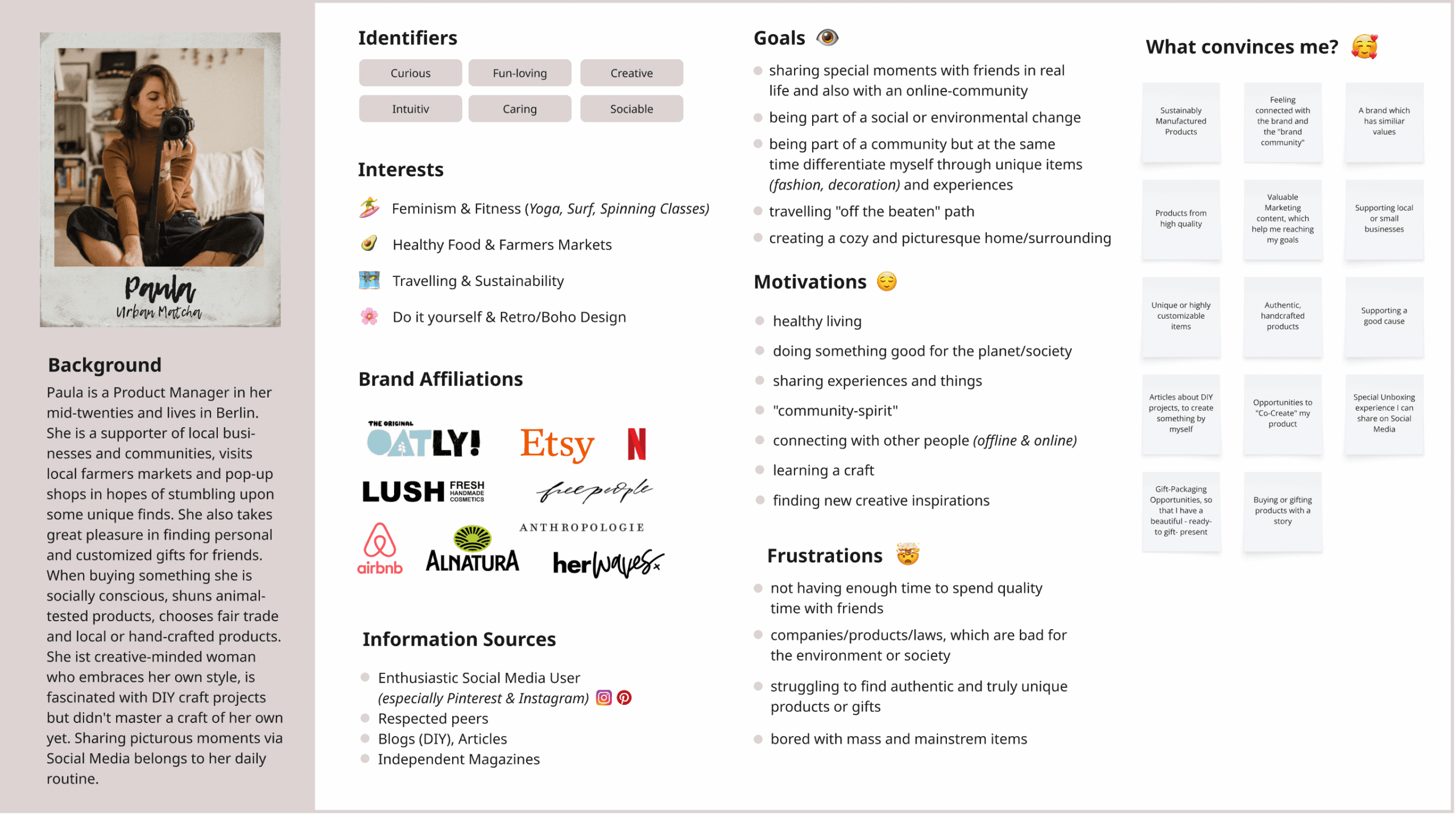
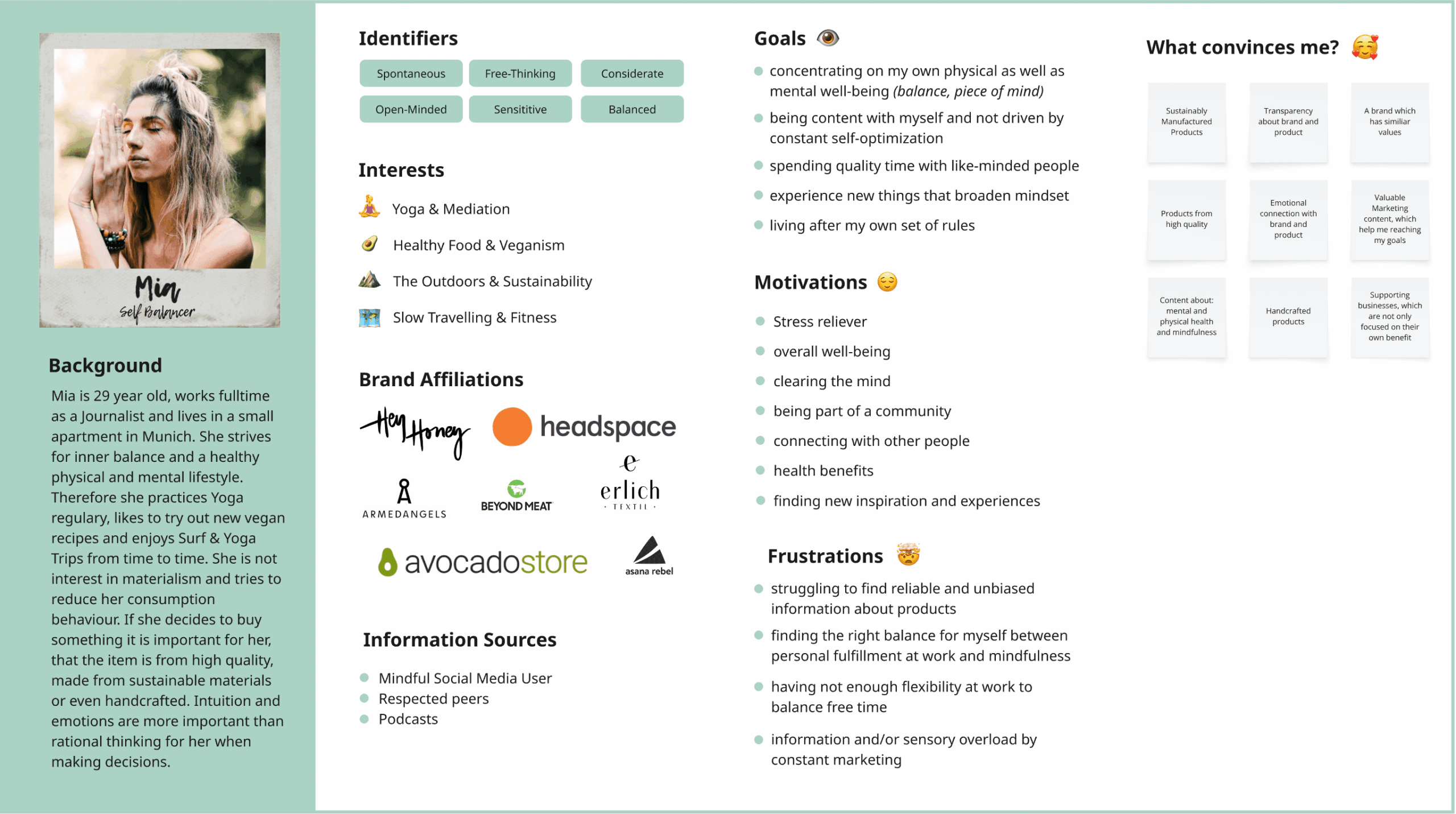
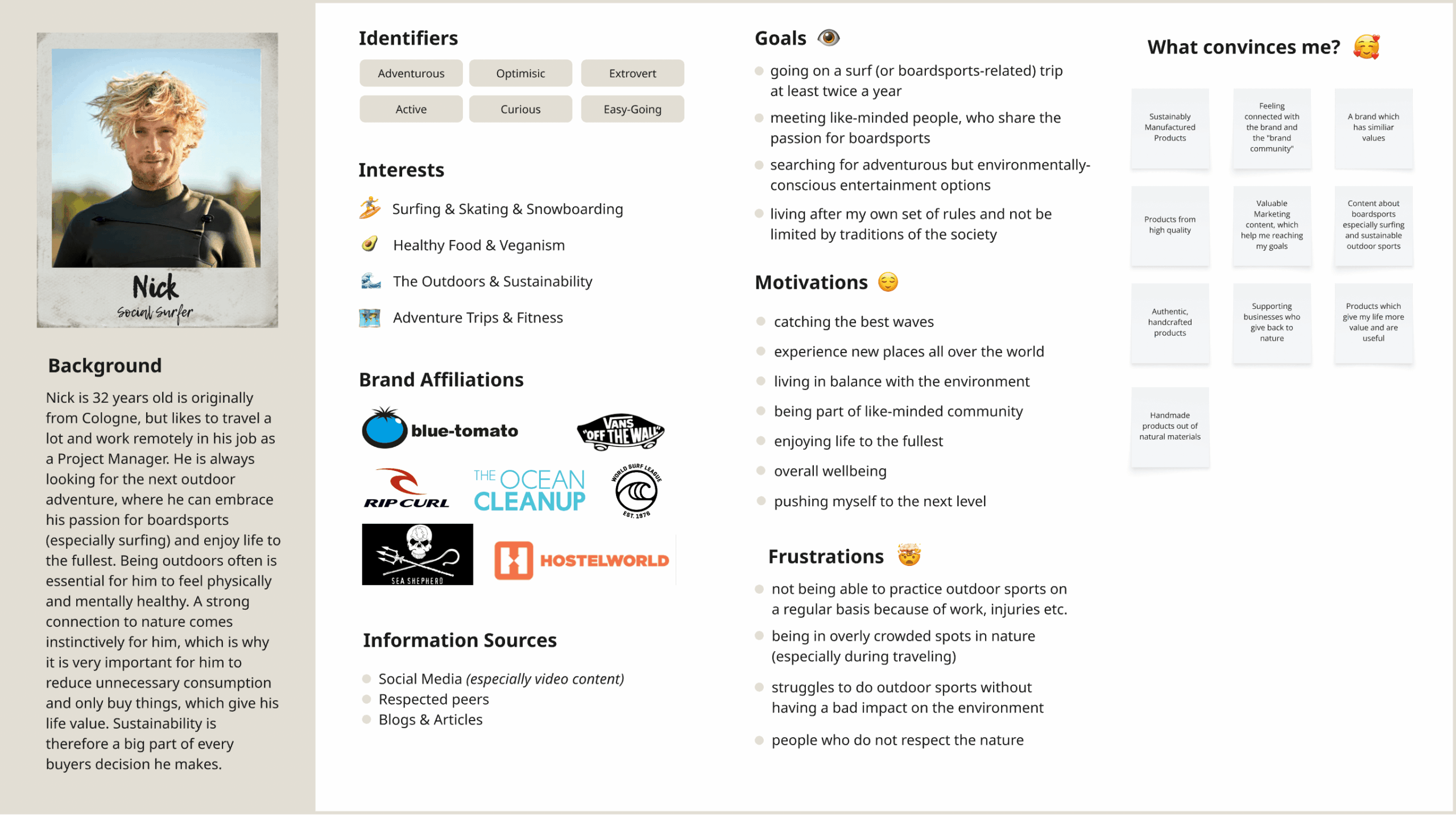
Based on extensive research using public data, customer groups and future trend reports, I identified a core audience that values mindful consumption, authenticity and emotional connection over fast and disposable products. Across different personas, these customers were united by a strong interest in sustainability, craftsmanship and community. Rather than simply buying objects, they wanted to support brands that reflect their values and create a sense of meaning. To build deeper empathy and keep real human needs at the center of my decisions, I developed three key personas that guided the entire concept and design process.
Designing meaningful moments
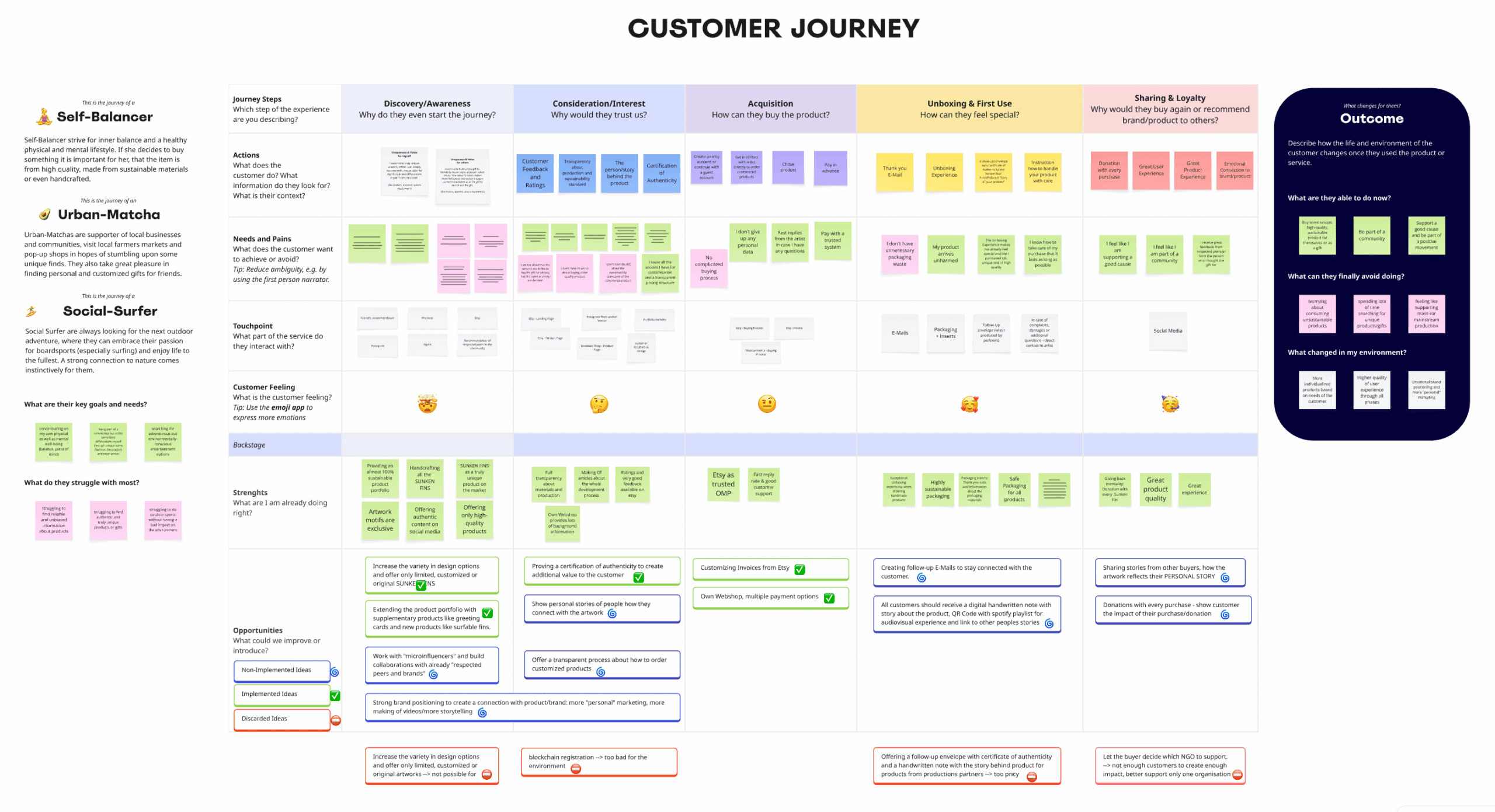
The customer journey
To translate customer needs into a coherent experience, I mapped the entire customer journey from first awareness to long-term loyalty. The journey focused on building trust early on through transparency and storytelling, reducing friction during purchase with clear guidance and ethical credentials, and creating an emotionally meaningful unboxing moment that reinforced the values of craftsmanship and sustainability.
Finding my niche
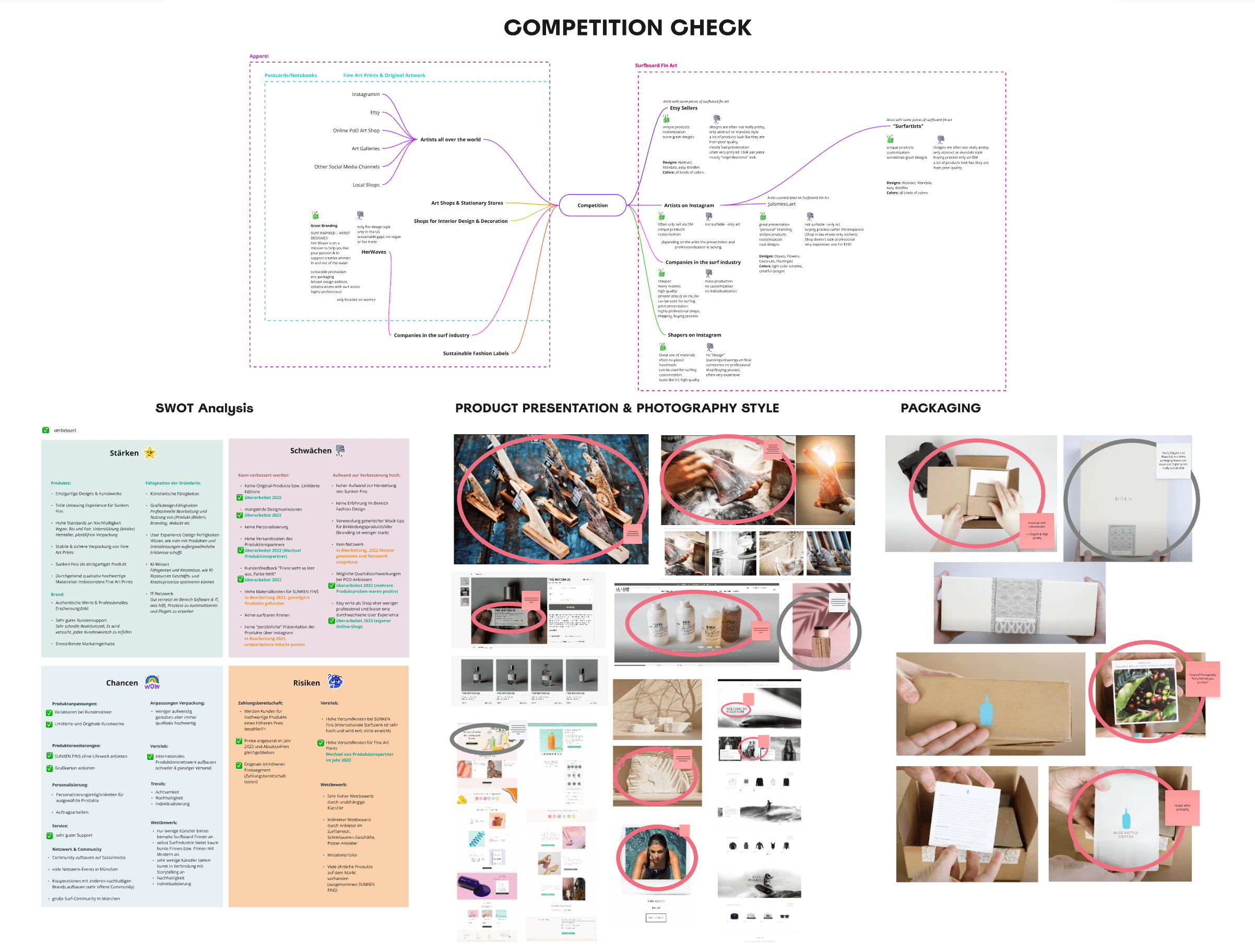
Competitive Landscape
I analyzed artists, independent brands and companies across the surf, lifestyle and sustainable design space and found a fragmented market: mass-produced products on one side, handmade pieces on the other — often without professional branding or transparency.
My Niche: authentic craftsmanship meets thoughtful design, combining ethical production with strong storytelling to stand out in a crowded landscape.
Phase 2
My favorite part
CREATING ART
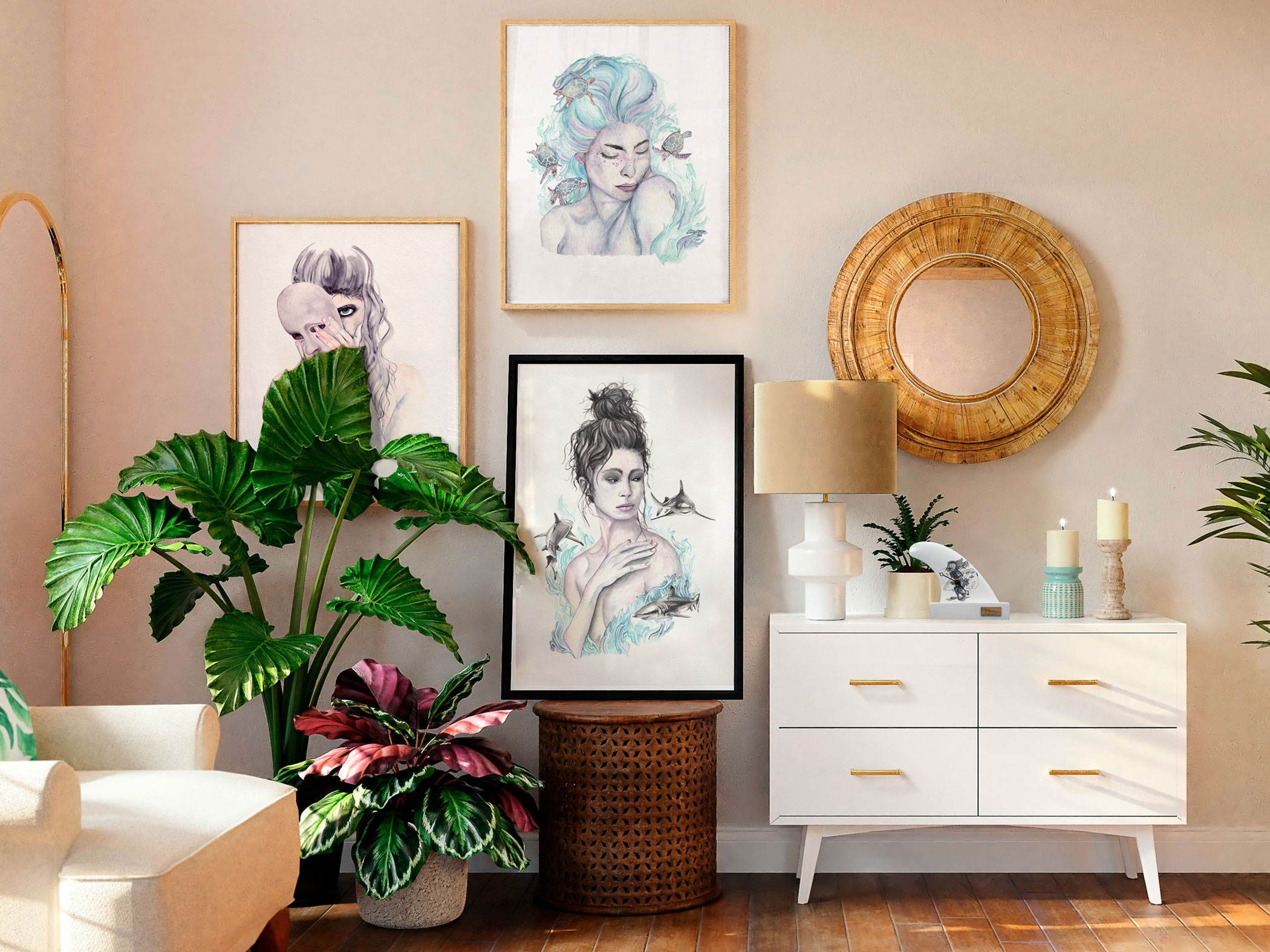
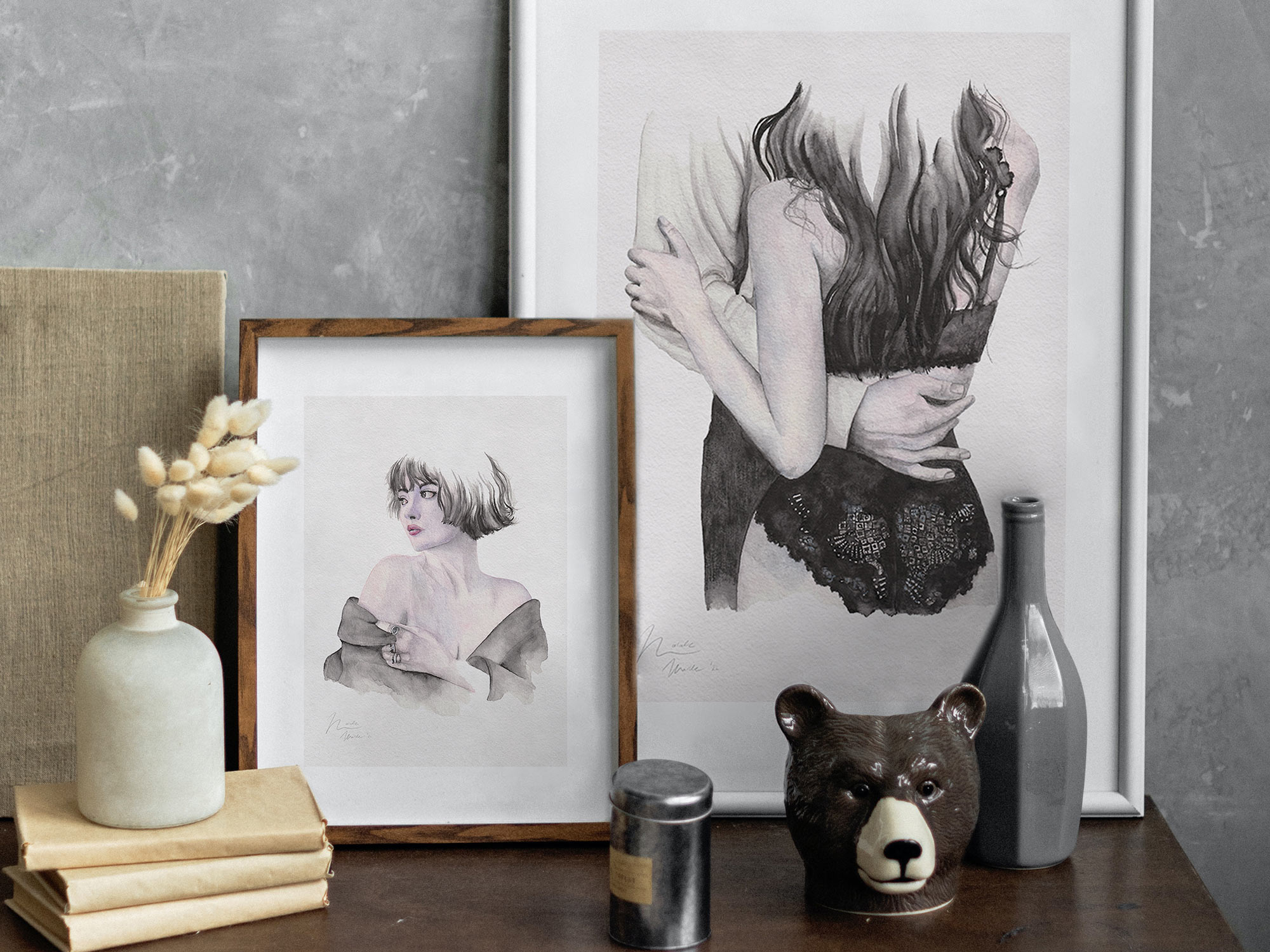
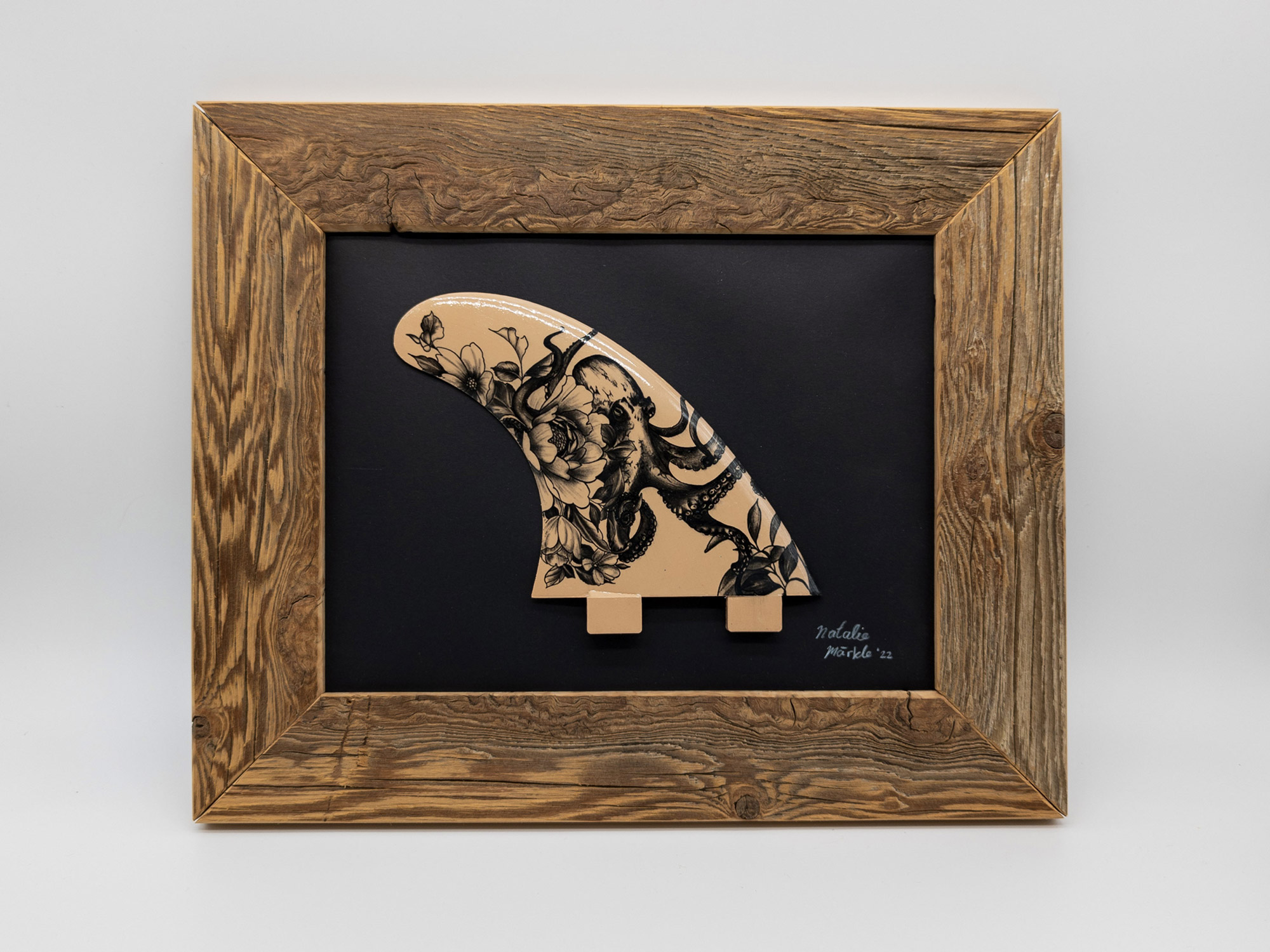
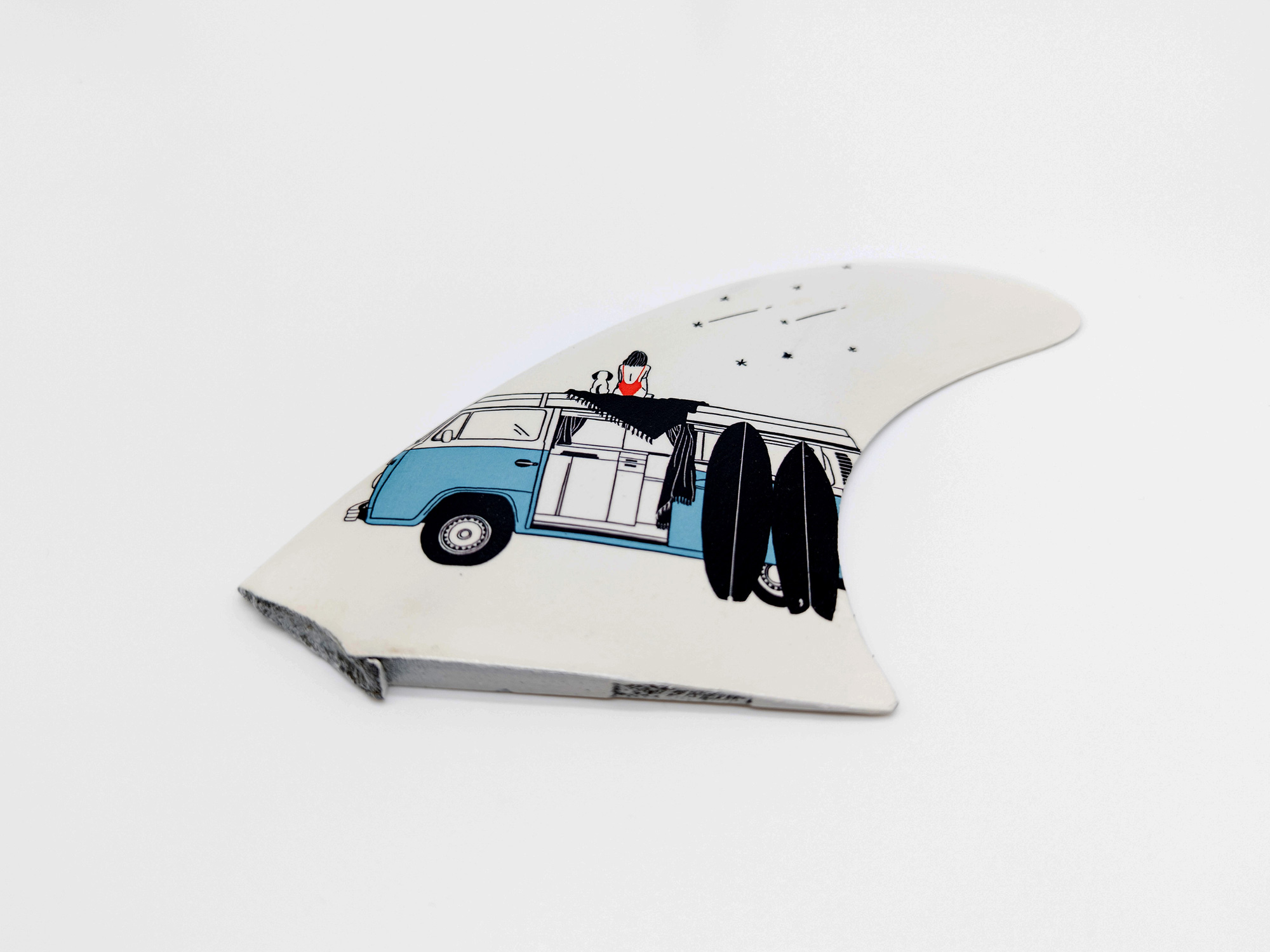
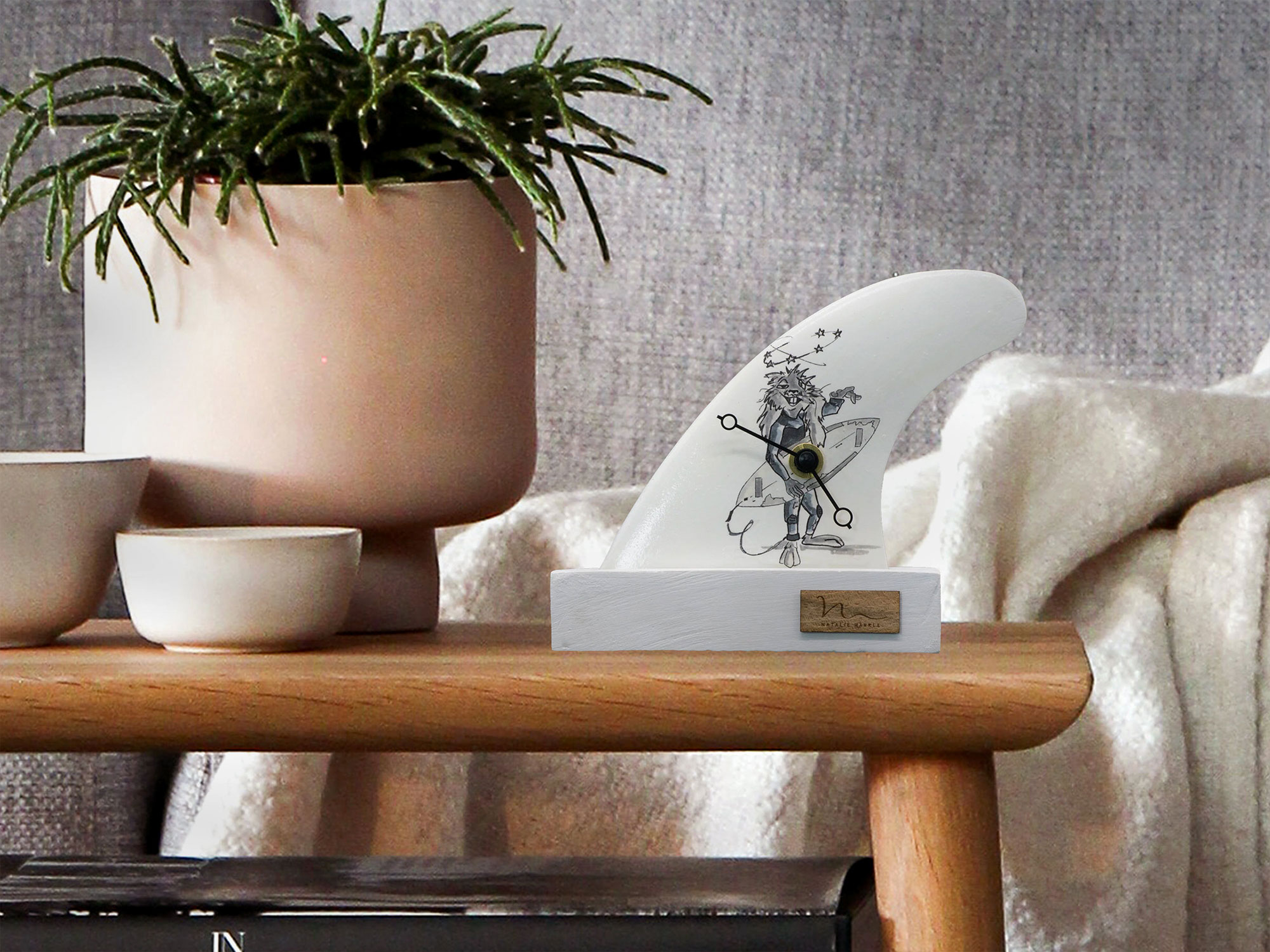
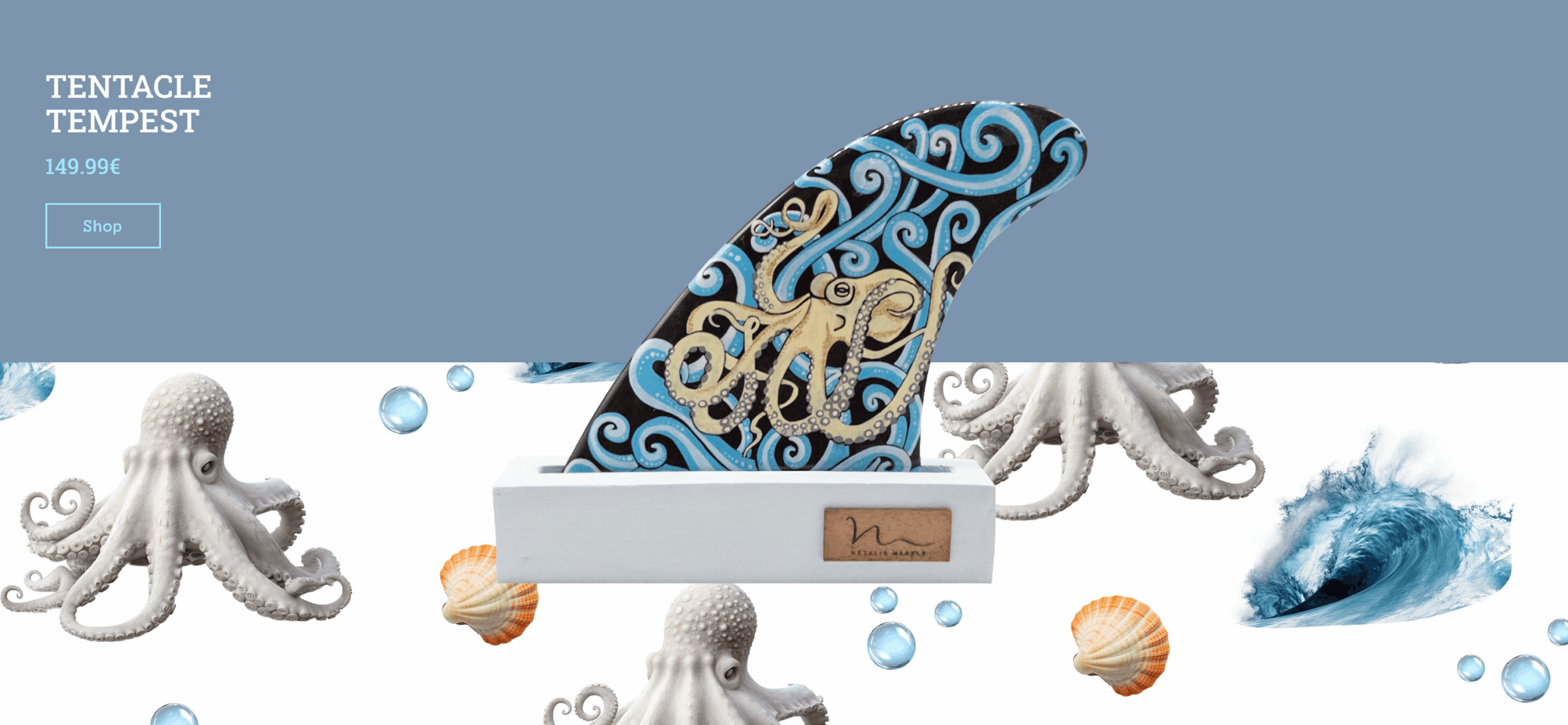
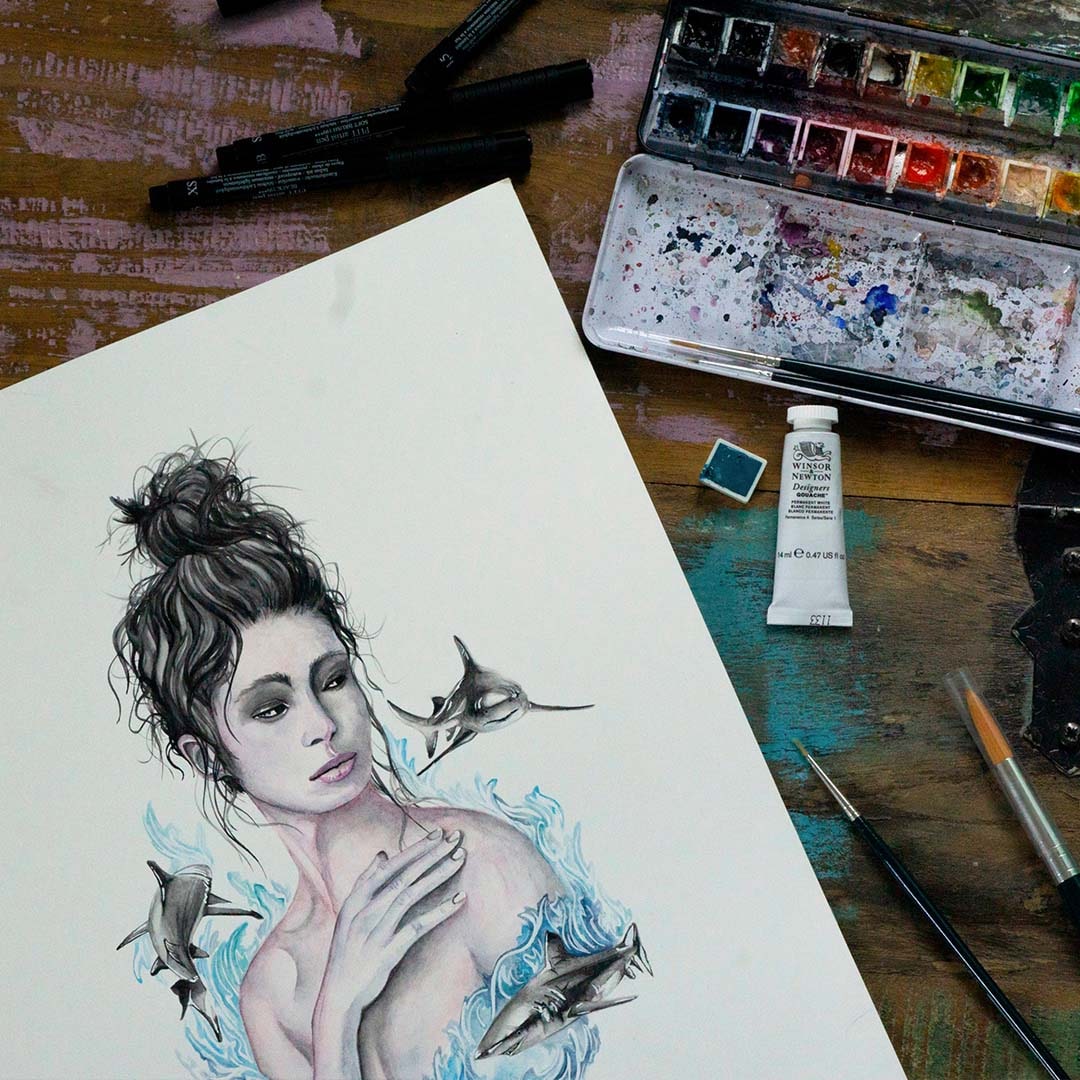
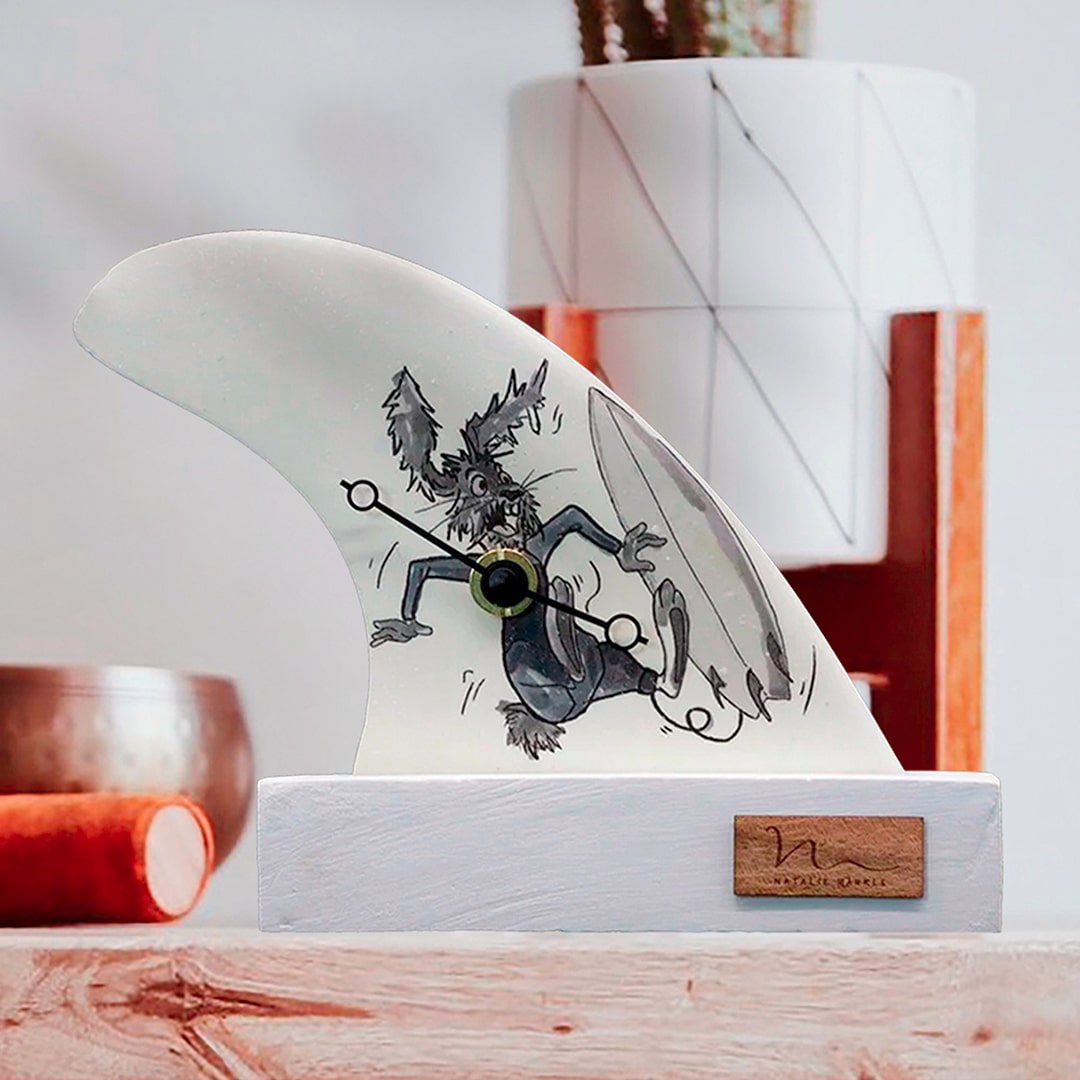
At the core of my product portfolio were two categories that defined the identity of the brand: Sunken Fins and Hand-Painted Originals. These pieces were truly unique — not available anywhere else on the market — and represented the emotional and creative center of the project. They allowed me to fully explore craftsmanship, storytelling and sustainable packaging.
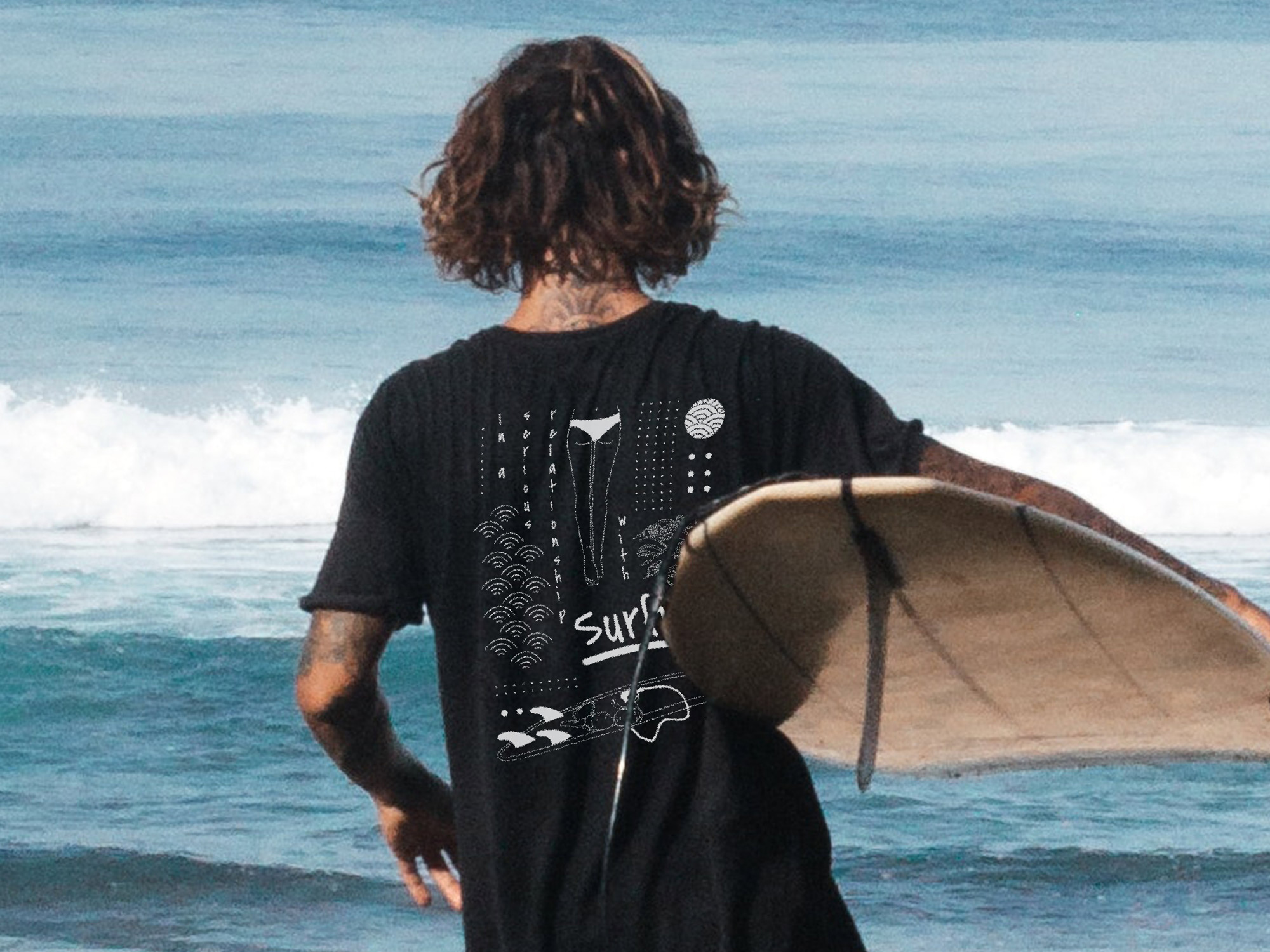
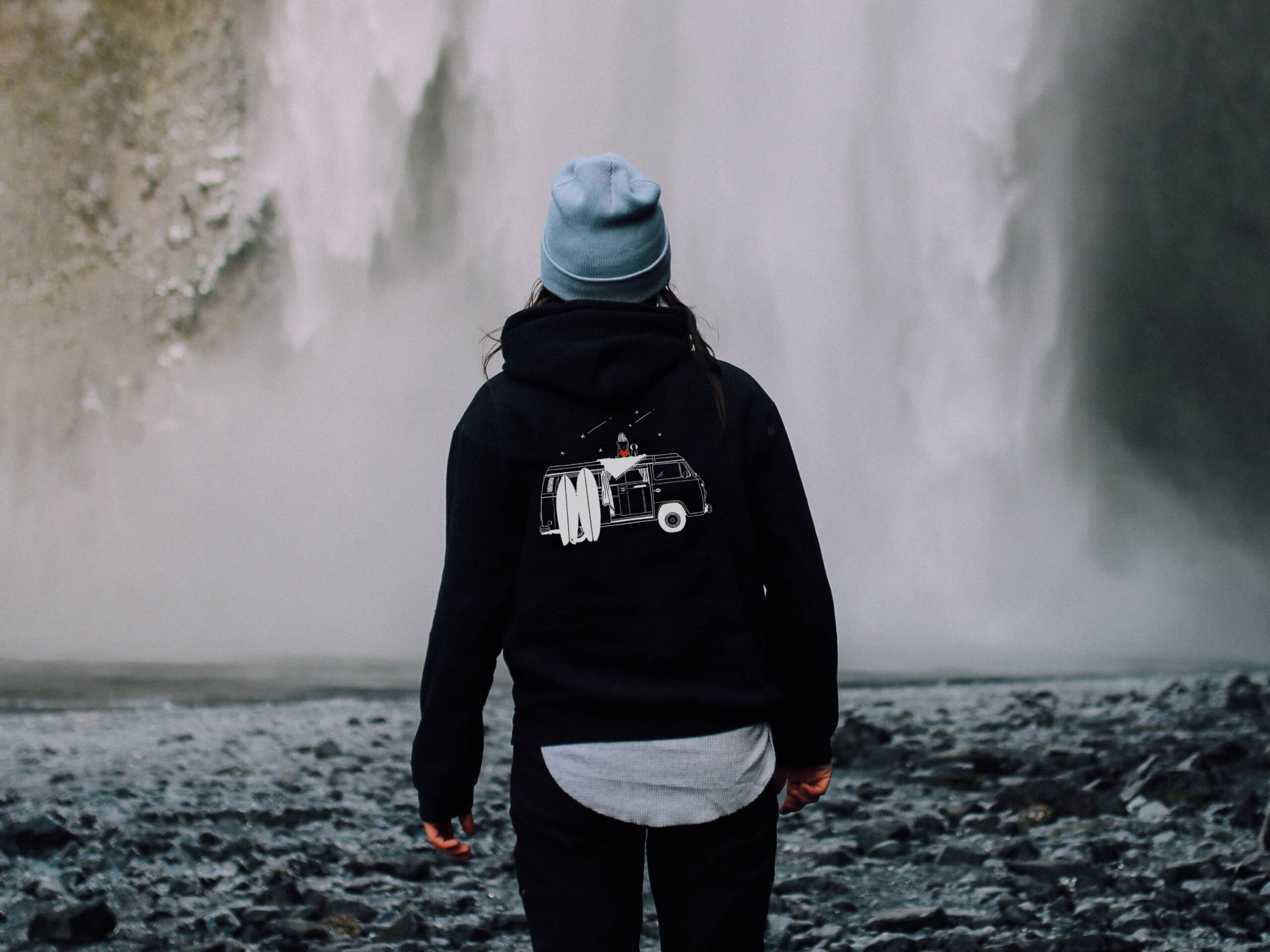
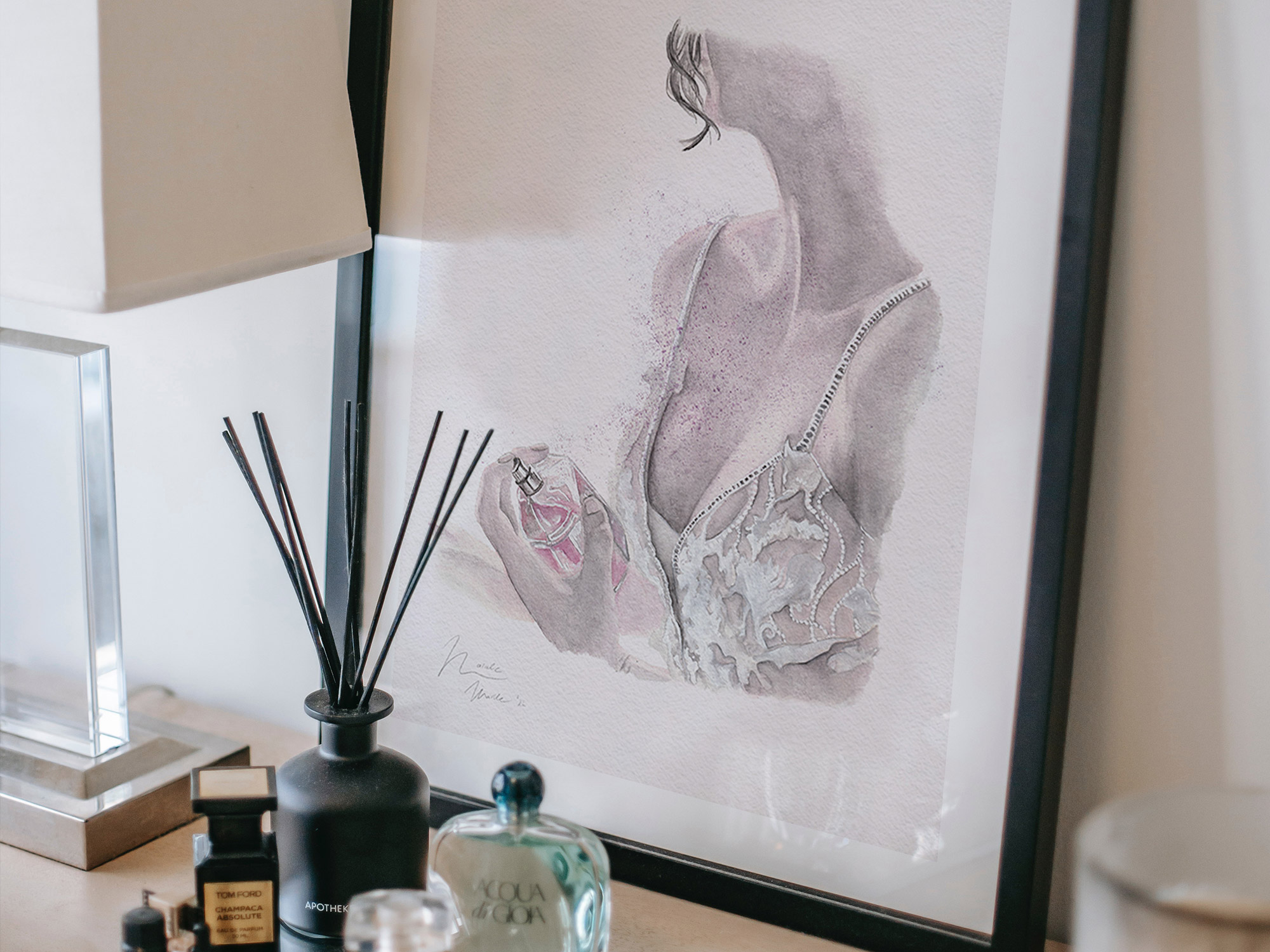
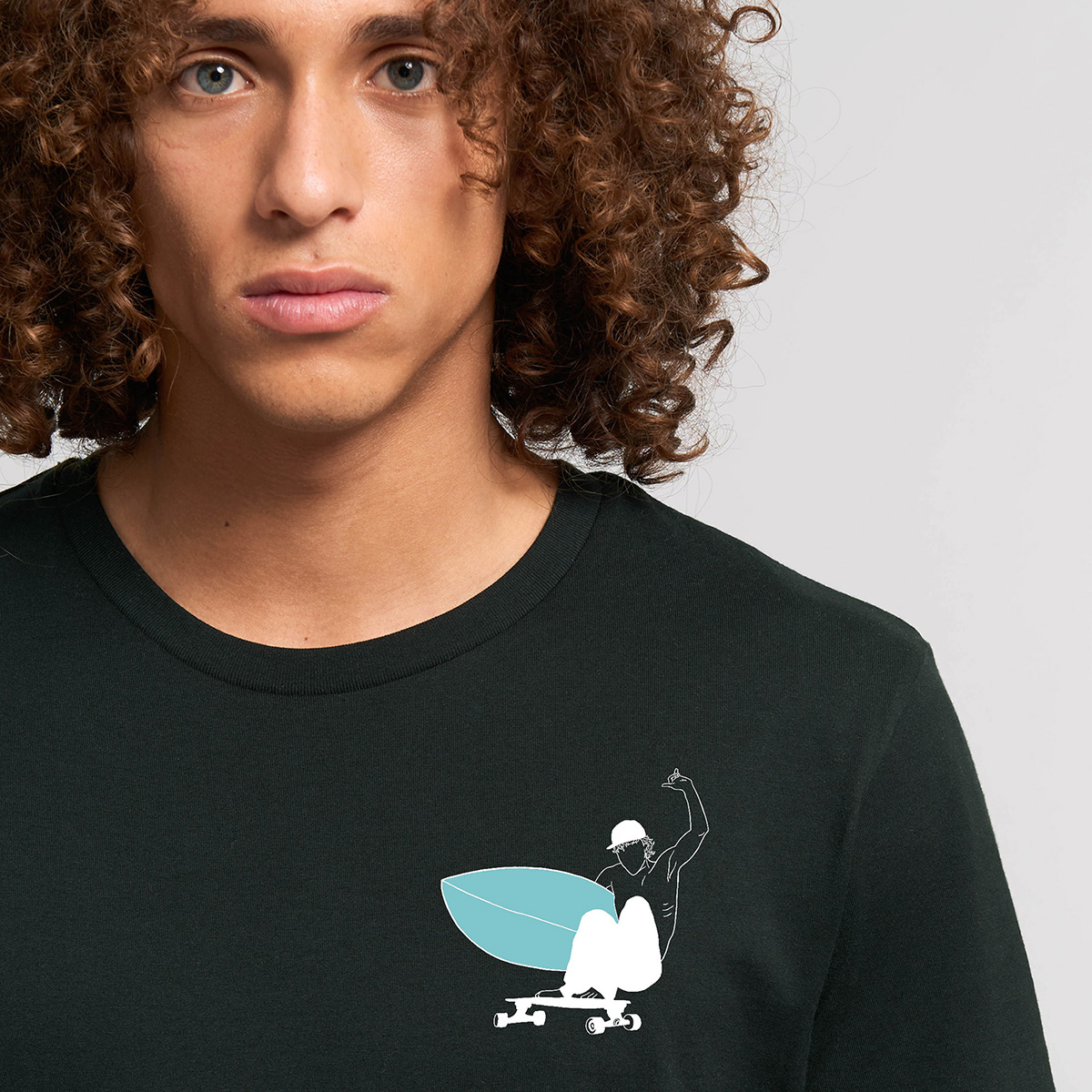
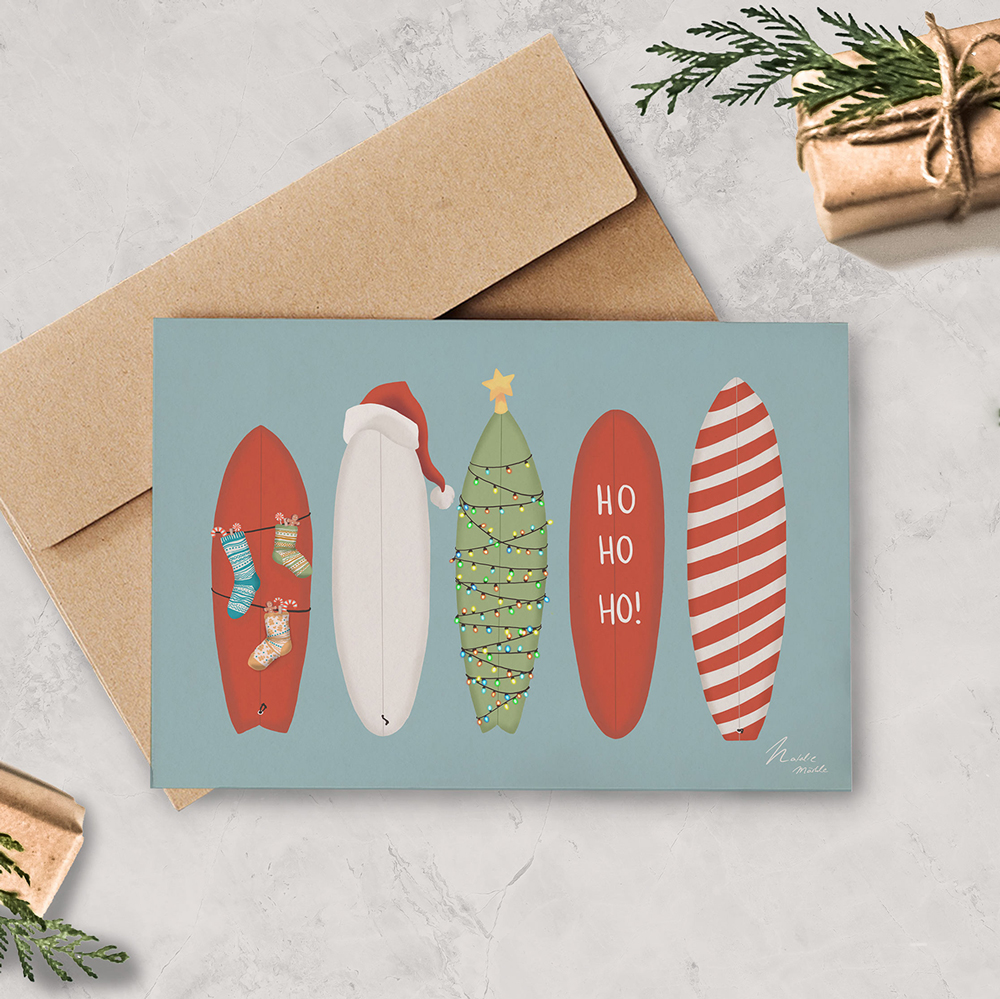
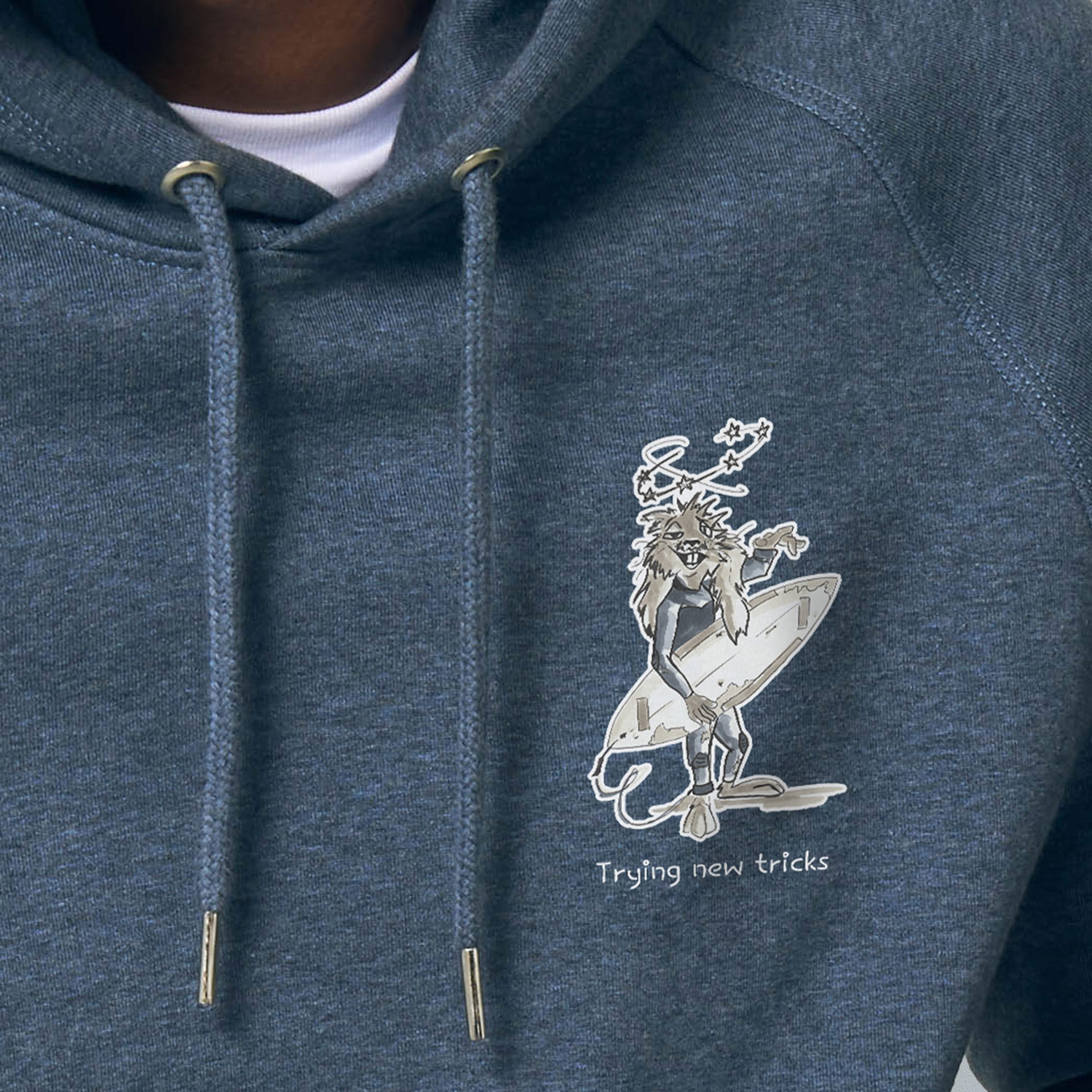
I introduced apparel, fine art prints and greeting cards as print-on-demand extensions to reach a broader audience and bring my art into everyday life, while keeping the business scalable and low-risk — avoiding upfront investments, storage needs and complex logistics, without losing the unique visual identity of my work.

Fine Art Prints
High-quality giclée prints on premium, long-lasting paper.
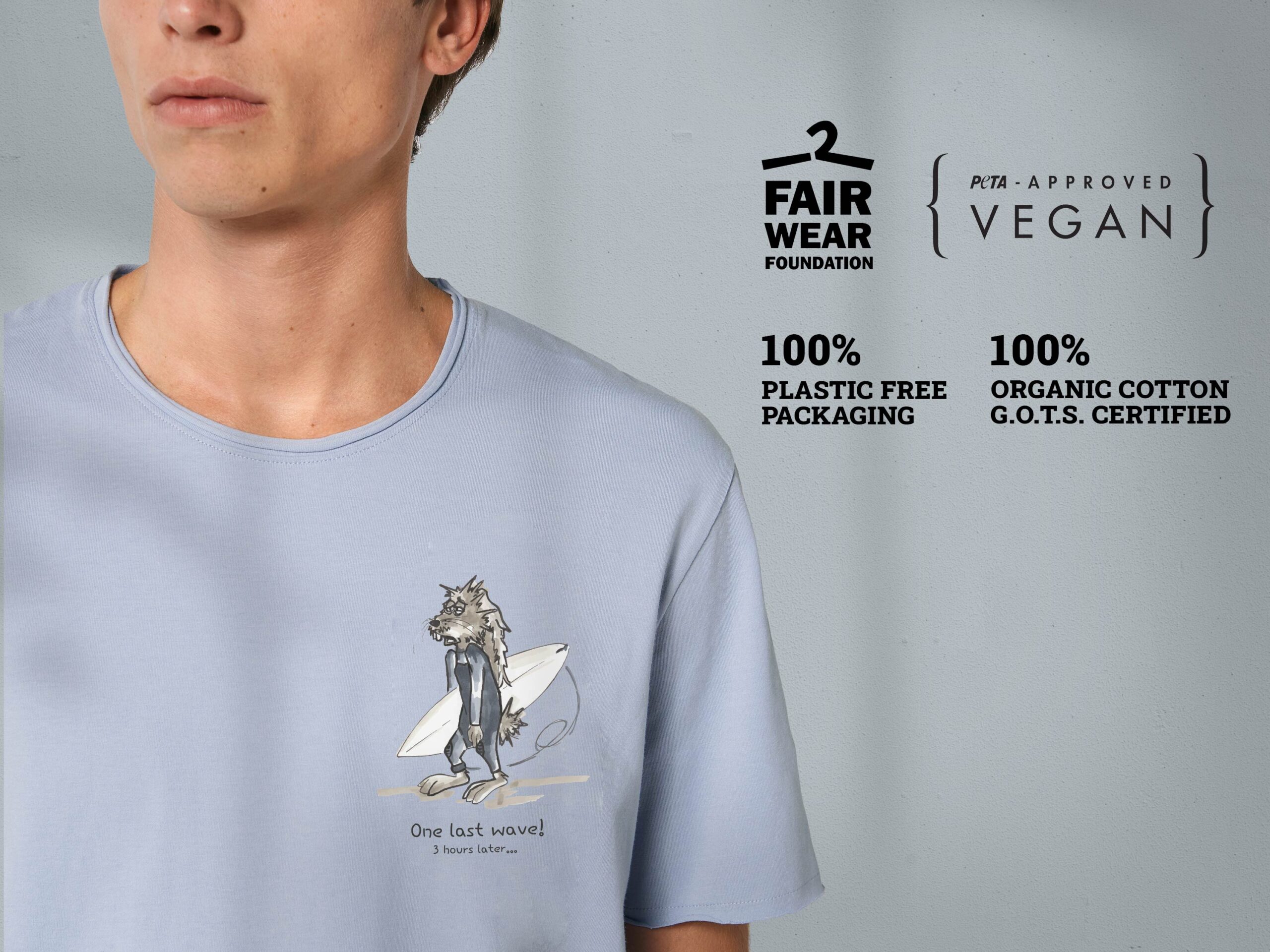
Surf-Inspired Apparel
Ethically produced clothing made from certified organic and recycled materials.
Fine Art Greeting Cards
Illustrated cards designed as small, meaningful gifts rather than disposable paper goods.
Phase 3
Choosing Materials & Suppliers
Choosing materials and suppliers was an iterative, hands-on process. I tested multiple partners through sample orders, material comparisons and small-scale user testing with fewer than ten participants. I worked exclusively with partners whose practices reflected what I stand for — fairness, sustainability and care for people and the environment — while still enabling the brand to scale across Europe and the US.
Organic Cotton
& Recycled PES
All apparel items are made from sustainable and GOTS (Global Organic Textile Standards) certified materials.
Non-hazardous
Eco inks
Neo pigment, water-based inks are not only 100% non-hazardous but also toxin-free and vegan friendly.
Sustainably sourced paper
Hahnemühle is Germany’s oldest manufacturer of artist paper and produced without any animal-derived ingredients.
Plastic-free packaging
Almost all packaging materials are plastic-free and also recyclable to safe ressources.
cardboard tubes come with recycled plastic ends.
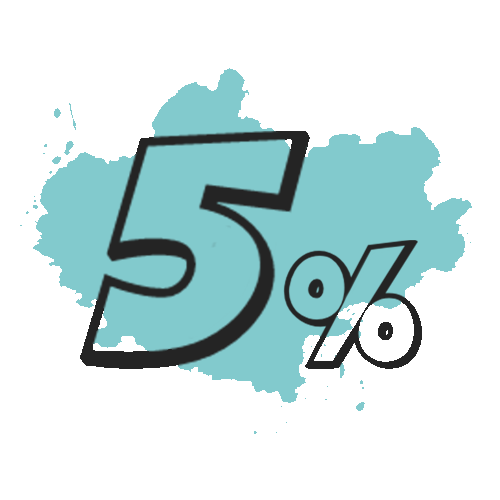
In addition to choosing responsible materials and partners, I wanted the brand’s values to extend beyond production. With every purchase, 5% of the proceeds were donated to Ocean Cleanup.
No harm to animals
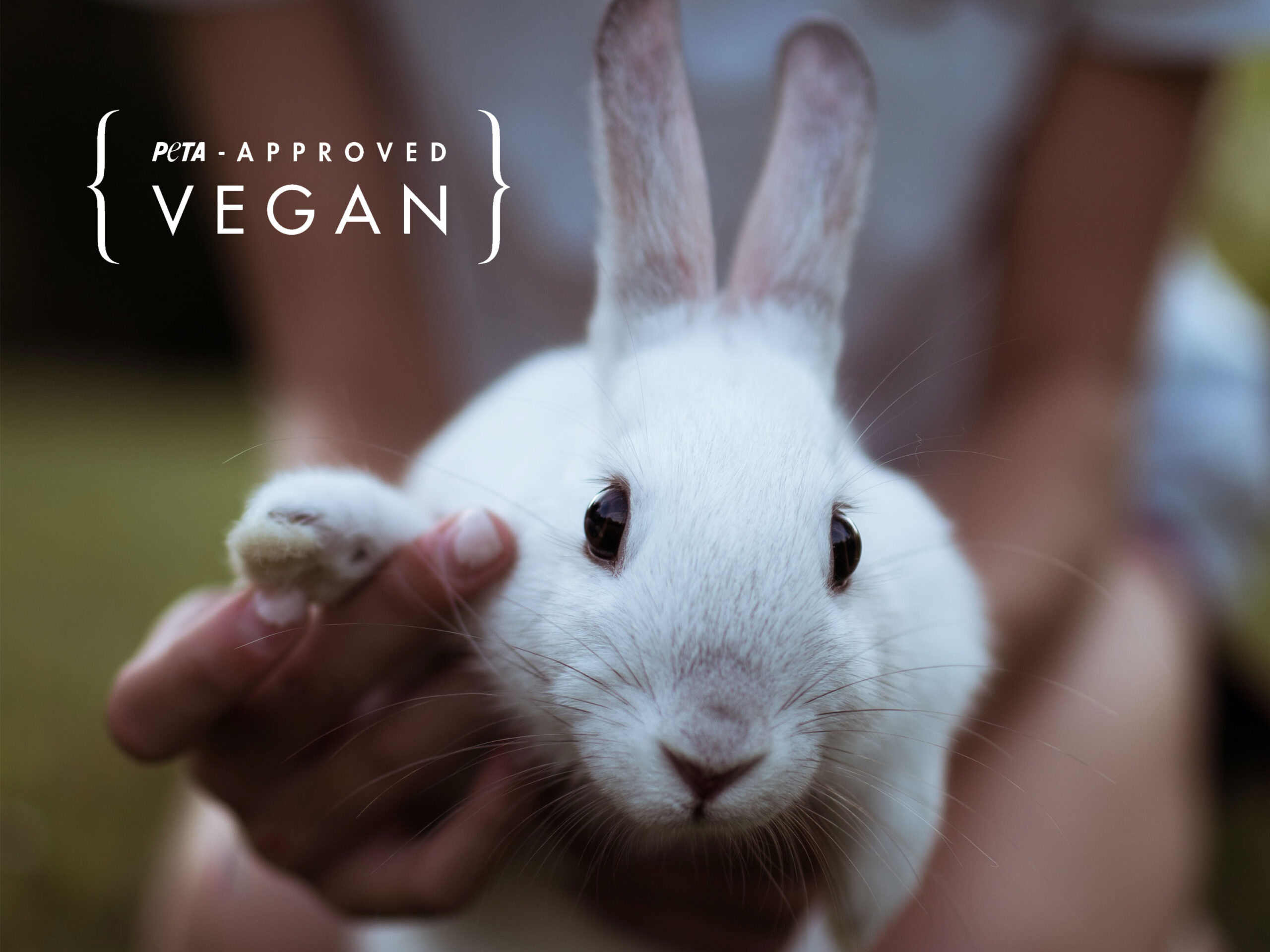
PETA-approved vegan
As a huge animal lover, I am delighted to say that my products were vegan and that all apparel items were also PETA-certified vegan and cruelty free, which means that the product was developed without any tests on animals and contains no animal-derived ingredients.

…that vegan products do not include any animal-derived ingredients BUT might still have been tested on animals.
Fast shipping by global production
To minimize CO2 emissions and guarantee fast delivery, I worked with different production partners in the Netherlands, UK, the US and France. In most cases customers got their order within 2-4 business days.


Phase 4
Building Multi-Channel Distribution
Etsy Shop
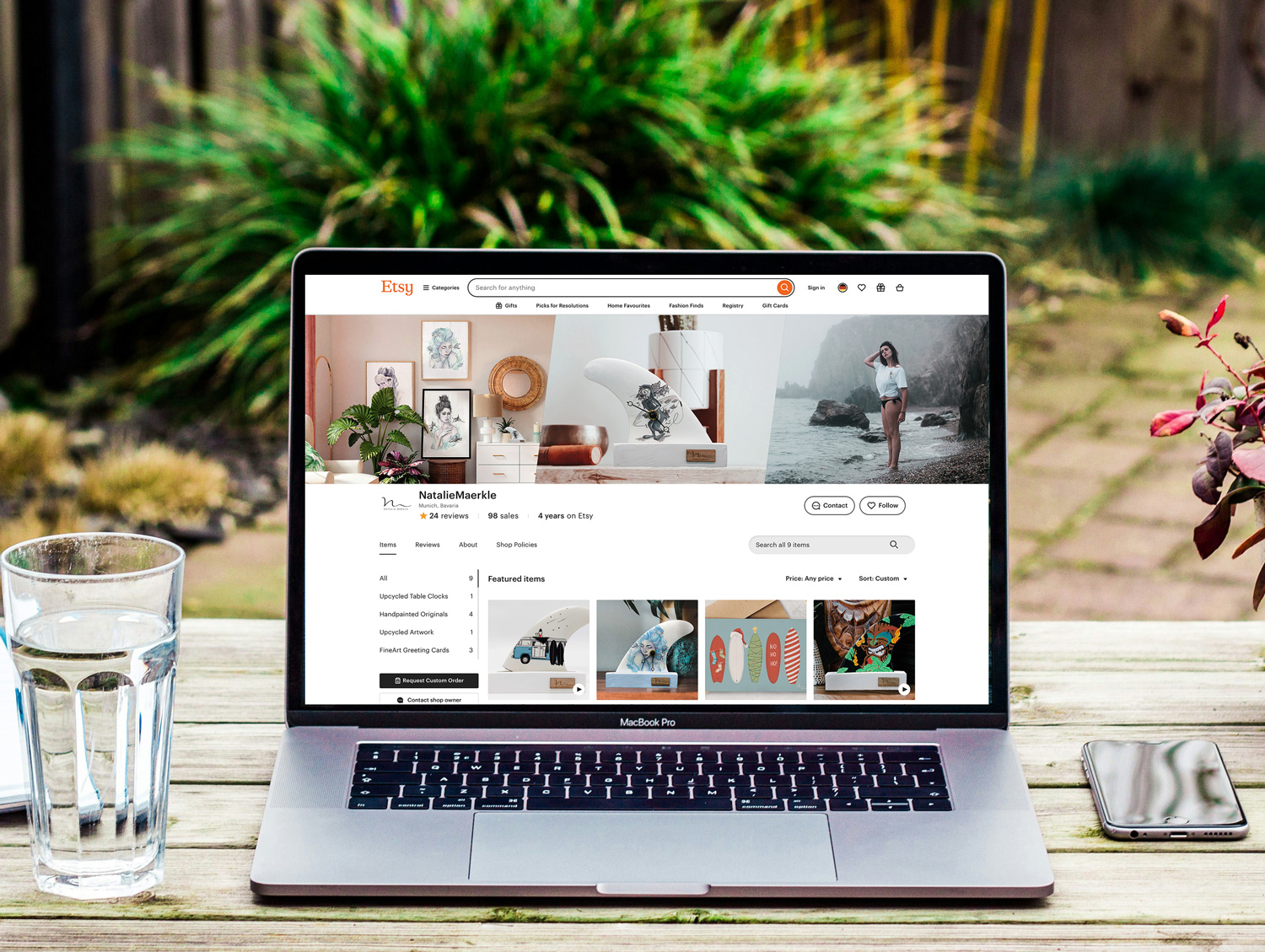
To build visibility quickly and validate the concept, I launched the brand on Etsy — leveraging its established audience, built-in trust and low entry barrier to gain early traction and collect valuable customer feedback. This allowed me to test products and positioning with minimal risk while reaching people who were already looking for handmade and sustainable goods.
My Own Webshop
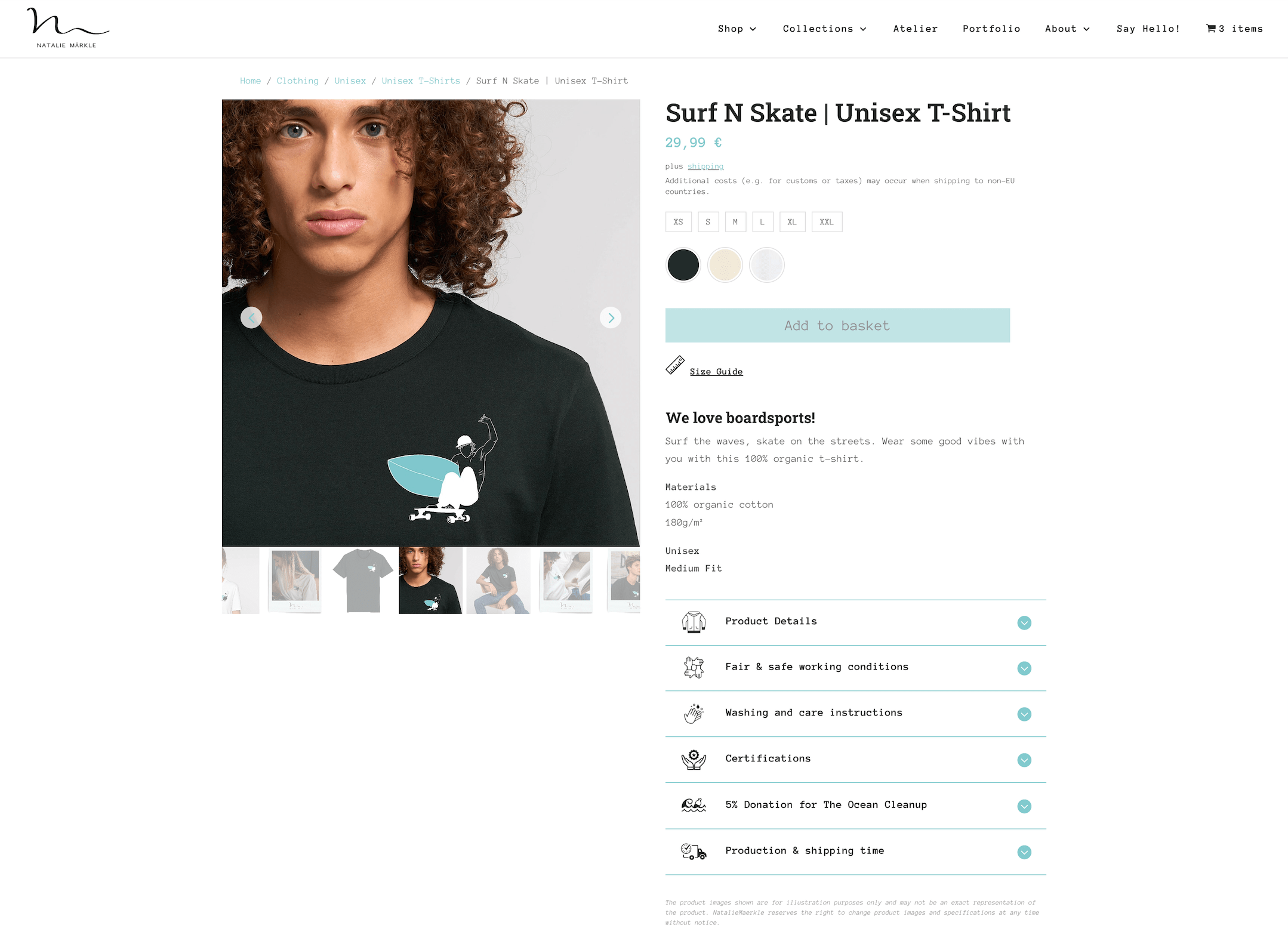
1,5 years later, I developed my own webshop to create a space where the brand could fully come to life. This gave me the freedom to design a holistic user experience, integrate storytelling elements and build a stronger emotional connection with customers — laying the foundation for long-term brand ownership beyond marketplace constraints.
Excursus: How My Webshop Became a big Challenge
What came naturally
-
Designing the overall experience felt intuitive thanks to my UX background
-
Creating a clear, emotional brand presence through:
-
hotspots in images to guide users to products
-
storytelling and transparency around production
-
content on how to care for and style artwork
-
high-quality product images and thoughtful mockups
-
What I underestimated when building my own webshop
-
While designing the UX came naturally, the technical and legal complexity was far greater than expected.
-
I faced ongoing challenges with WordPress limitations, plugins, bugs and performance issues, which eventually led to a full hosting migration.
-
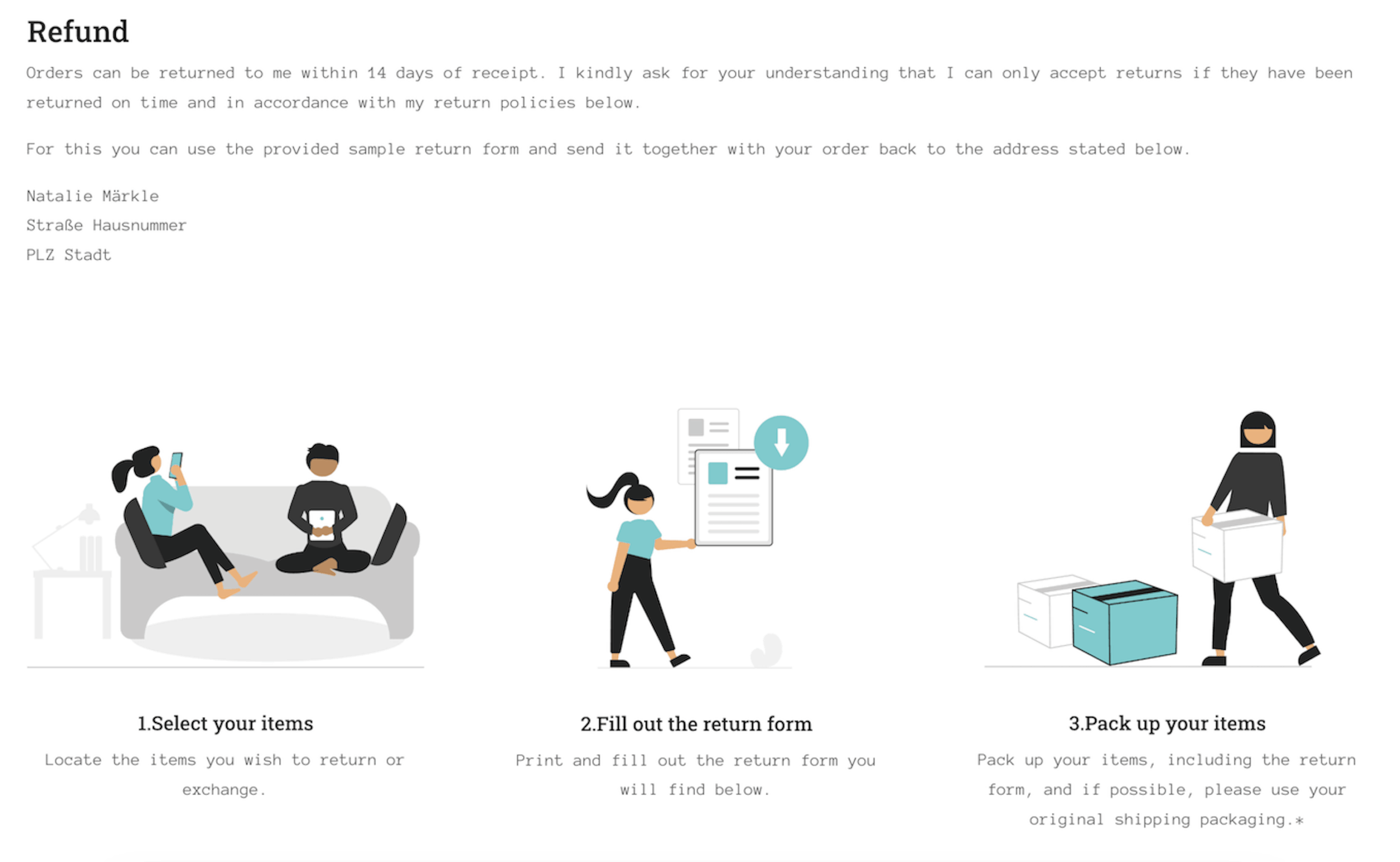
Beyond that, I had to handle the often invisible work of legal compliance — from cookie consent and GDPR texts to setting up WooCommerce, email systems and a fully compliant checkout flow.
What people were saying
Great fancy watch. Super beautiful and elaborately packaged 🙂
Isa
I fell from all clouds. I have never had anything so beautiful and lovingly designed in my hands. Incredible. From the idea itself to the packaging to the product. It’s just perfect. Thank you. Thank you very much.
Marlen
Beautifully made and so much thought was put into every detail. Thank you!
Elizabeth
5-star rating on etsy
Phase 5
Creating Visibility with Purpose
Visibility without big budgets
Marketing with Meaning
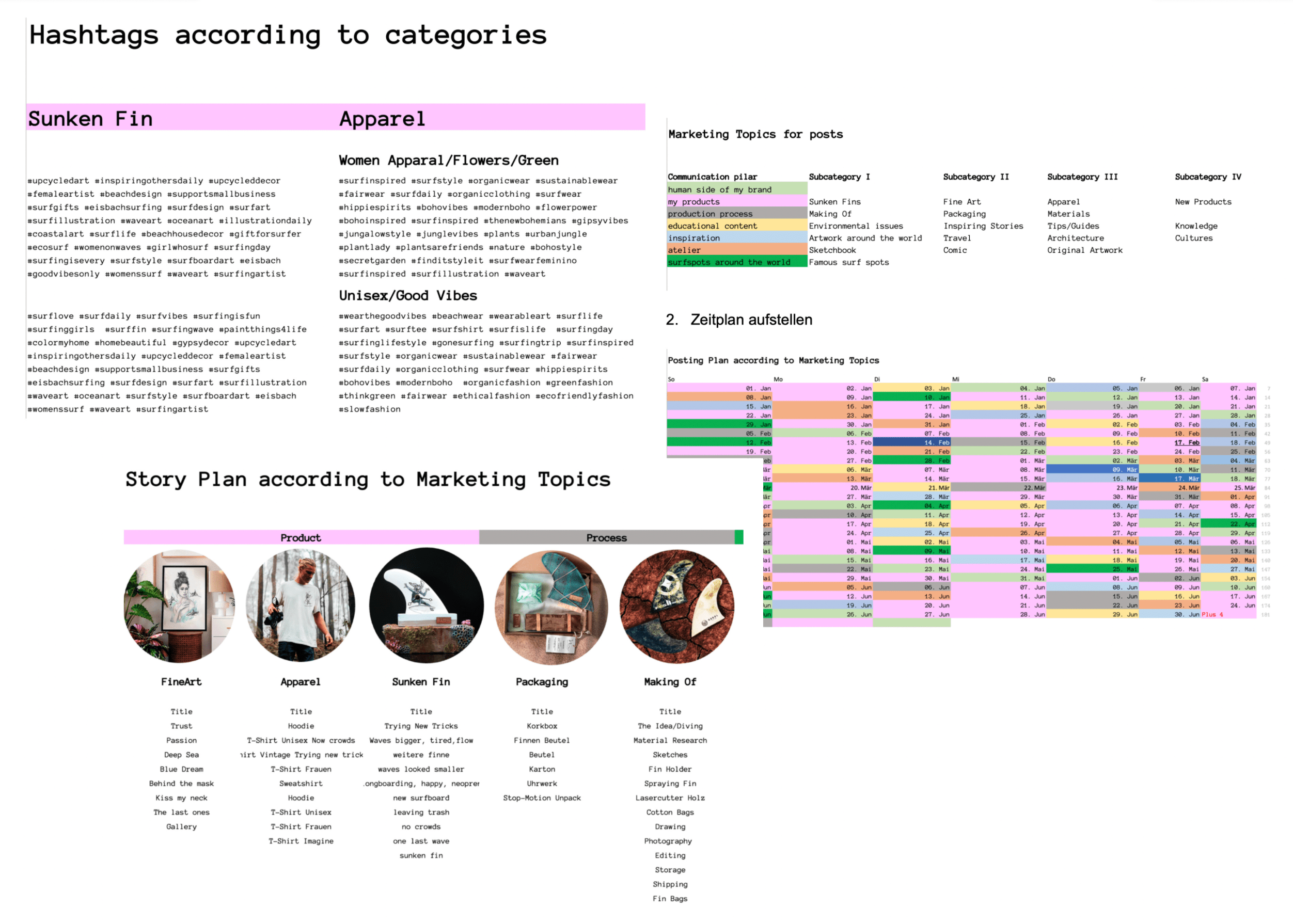
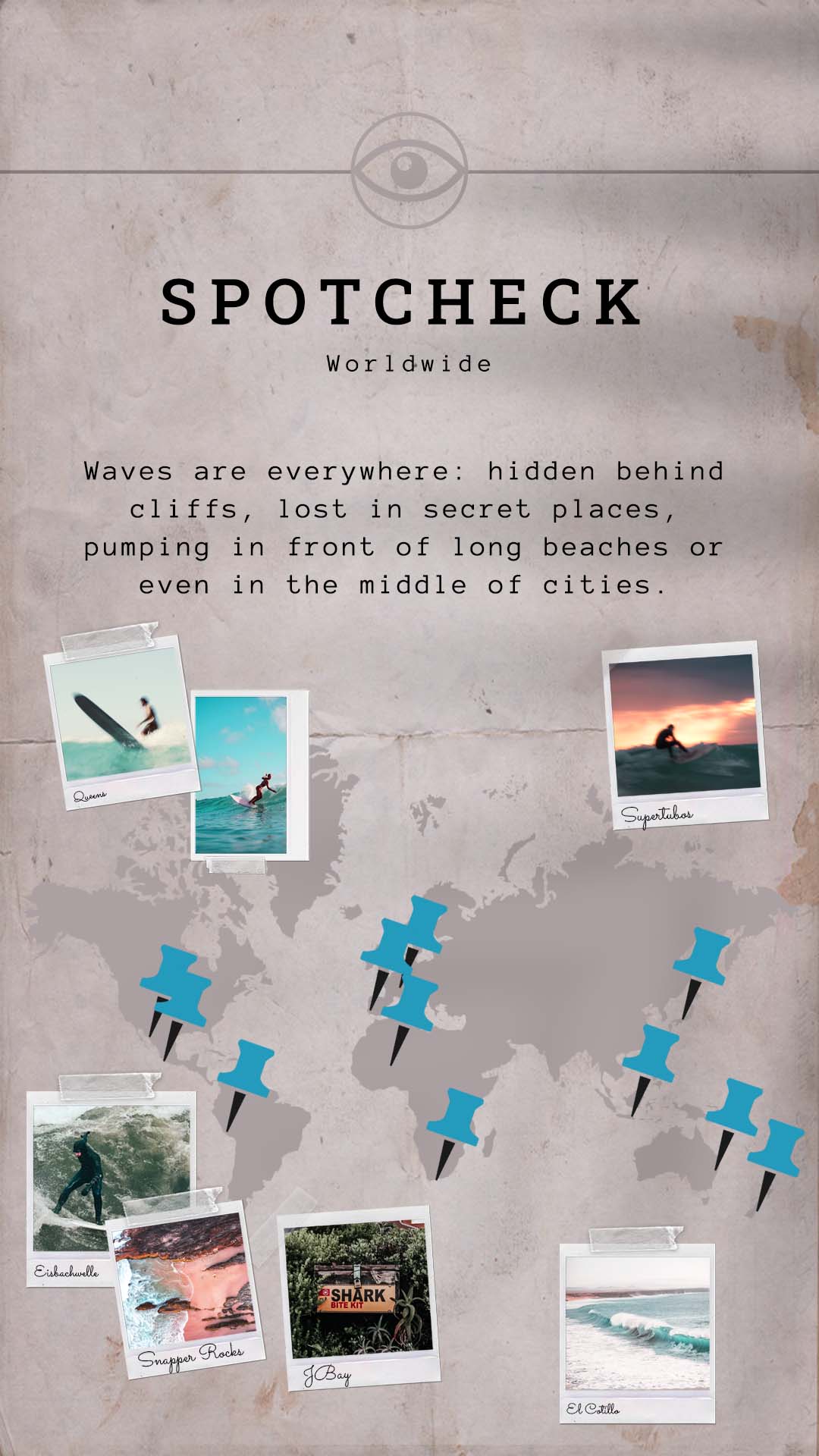
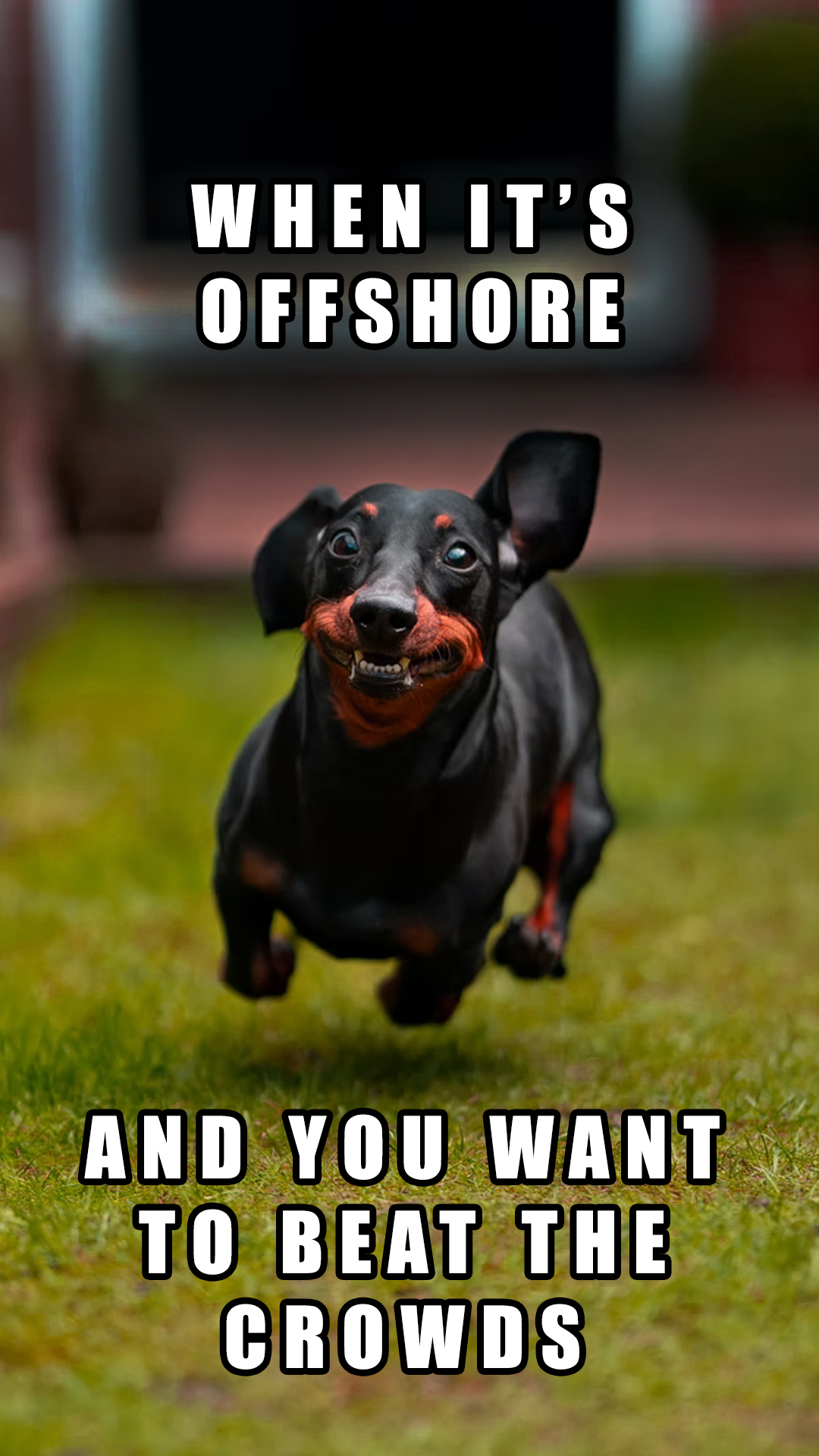
To keep costs low and stay authentic, I focused on a purely organic marketing strategy. My main channels were Instagram and Pinterest, chosen for their strong visual culture and relevance to my target audience. I built a content framework around clear communication pillars — not only showcasing products, but also sharing value-driven topics such as sustainability, craftsmanship, surfing culture, travel and creative inspiration. This was supported by a structured posting plan for feed and stories, as well as in-depth hashtag and SEO research to improve discoverability, especially on Etsy.
Phase 6
Key Learnings
Why I closed my business in 2025…
Marketing drains me
Even though I managed to grow an audience of over 1,000 followers organically in just two months, I realized that constant self-promotion and social media work cost me more energy than they gave back.
Building alone = learning through failure
While I had support from friends and family, most of the journey I walked on my own. Almost everything went wrong the first few times — from product development and financial planning to international shipping and taxes. This taught me resilience, and problem-solving.
Living your values is rewarding — but also exhausting.
I built the brand exactly the way I believed was right. Doing things “the right way” was time-consuming and expensive— especially as a small, self-funded business. Over time, the lack of visible wins showed me how hard it is to keep motivation high when idealism meets economic reality.
Visibility is often harder than quality
Customer feedback was incredibly positive, yet reaching new people remained one of the biggest struggles. It was frustrating to create work I truly believed in and still feel invisible.
I learned more than I ever expected.
Building and running my own business forced me to grow in many areas at once — from product development and market research to financial planning, legal setup and customer communication. The steep learning curve pushed me far beyond my comfort zone.
Letting go can be the bravest form
of success.
Running the business slowly took away the time and energy I needed to create. Between technical issues, legal responsibilities, high production costs and constant maintenance, exhaustion became constant. Closing the business in 2025 felt like relief — not failure.